
Senior higher education officials from EU and European Free Trade Association (EFTA) countries will meet today and tomorrow at Royal Hospital Kilmainham to discuss a wide variety of issues shaping higher education policy across Europe. The Department of Further and Higher Education, Research, Innovation and Science (DFHERIS) welcomed the officials to Dublin in hopes of addressing and providing “an opportunity […] to discuss key priorities for the future development of higher education in Europe and to strengthen collaboration”. Among the list of priorities is access and participation in third-level education, Erasmus+ programmes, advancing STEM skill development, and AI literacy across the sector. This meeting is a part of Ireland’s Presidency of the Council of the European Union.
On the agenda for ministers and officials will be discussing Ireland’s increased efforts to foster third-level education opportunities for those with intellectual disabilities under the Programme for Access to Higher Education (PATH) 4 Phase 2 initiative. Those in attendance will hear from PATH graduates as they share their experiences with the programme and how it benefitted their education and hopefully future careers.
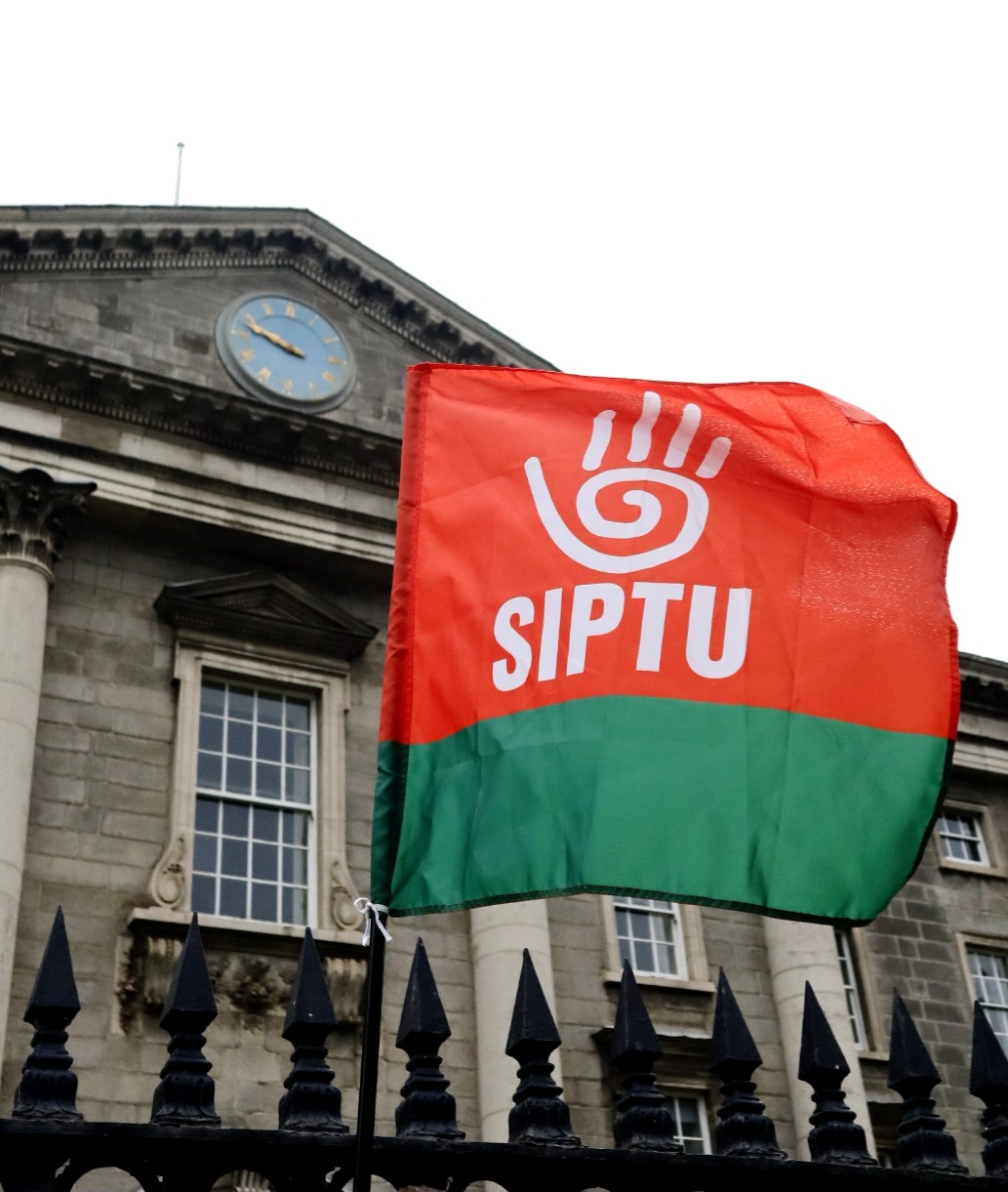
The meeting arrives just a week after public sector strikes shut down universities across Ireland, with many teachers’ unions citing a failure by the government to adequately fund institutions and negotiate with university staff for fair pay resettlements. Negotiations between the government and the Irish Congress of Trade Unions (ICTU) opened days after the strike on October 19th, but have yet to come to a resolution.

Yesterday Trinity postgraduate researchers marched to the Dail in protest against unfair working conditions and systemic inequities preventing them from receiving adequate pay, sick leave, maternity/paternity leave, and government benefits. With postgraduate researchers protesting alongside members of the Irish Federation of University Teachers (IFUT), IFUT launched a Further and Higher Education University Funding Plan at the Dáil, releasing a report that sets a framework for reform within higher education.
Third-level education is in a state of precarity and the promise of sweeping changes for next year. Last Friday Further and Higher Education Minister James Lawless announced a massive overhaul and structural changes to higher education funding at an informal meeting with EU education officials, declaring plans to present an updated paper to the government by end of year examining “the adequacy of existing funding arrangements, the changing financial requirements of our universities and the opportunities to develop a more sustainable funding model”.
Provost Linda Doyle set the current deficit for Irish university funding at €250,000,000.
Currently sitting in 36th place out of 37 Organisation for Economic Co-operation and Development (OECD) countries, Ireland has yet to make up for the massive economic losses sustained in the 2008 recession. Per student State investment is 34 percent lower than it was in 2008, which is how the higher education funding deficit is calculated. The State has failed to abide by the 2022 Funding the Future plan, which initially pledged an annual €25,000,000 to university core funding to bridge the then estimated €307,000,000 deficit. This year the government allotted less than half of that pledged amount on Budget Day, providing €10,000,000 to universities.
Minister Lawless added: “The discussions taking place over these two days will contribute to ongoing European cooperation on some of the most significant opportunities and challenges facing higher education, including participation and inclusion, international mobility, STEM skills development and artificial intelligence”.